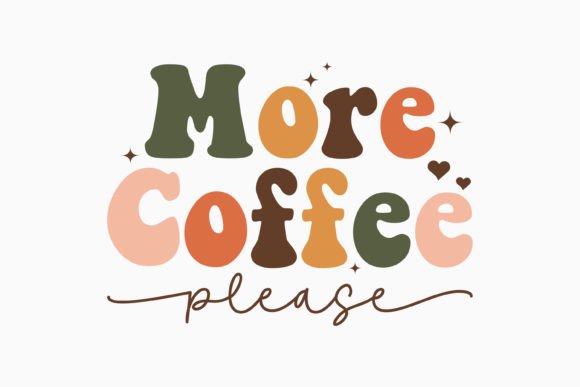
More Coffee Please Retro Coffee: An Embroidery Review
As a designer who spends more time behind an embroidery machine than a computer screen, I approach every new digital asset with a healthy dose of skepticism. When evaluating More Coffee Please Retro Coffee, my first thought isn't about how cute it looks on a monitor; it is about how those vectors will translate into physical thread. This design falls squarely into the intersection of Crafts and Graphics, marketed as a retro coffee quote SVG for t-shirts, posters, and mugs. However, for those of us in the apparel decoration and handmade business, the real test is whether this graphic can survive the digitizing process and result in a high-quality embroidered patch or garment.
First Impressions and Visual Personality
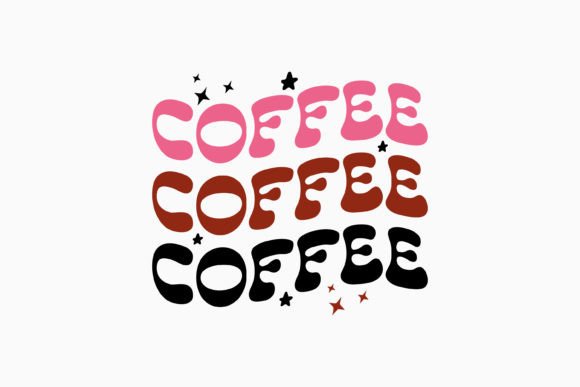
The aesthetic of More Coffee Please Retro Coffee immediately signals nostalgia. The retro typography suggests bold lines and distinct color blocks, which is generally a positive indicator for embroidery. Unlike modern minimalist scripts that often turn into messy running stitches, retro styles usually offer enough surface area for clean satin stitch borders or fill stitch interiors. The mood is warm, inviting, and universally relatable, making it a safe bet for commercial embroidery projects where broad appeal matters.
From a layout perspective, the design appears balanced. For an Etsy seller or small shop owner, this balance is crucial. It means the design won't pull excessively to one side during stitching, reducing registration issues. The visual weight feels appropriate for mid-sized projects. It doesn't look so delicate that it will get lost on a sweatshirt, nor so heavy that it would distort a lightweight tea towel. This versatility is exactly what creative entrepreneurs need when building a cohesive product line without purchasing separate files for every single item.
Real-World Application: The Custom Tote Bag Test
To truly judge this asset, I mentally placed More Coffee Please Retro Coffee onto a canvas tote bag project I recently completed for a local café client. Tote bags are deceptively difficult; the fabric texture is coarse, and the weave can swallow fine details. In this scenario, the retro nature of the design works in our favor. The likely bold lettering allows for a wider column width in the satin stitch, ensuring the text remains legible even against the textured background of natural canvas.
If I were producing this as a personalized gift or boutique product, I would utilize the "100 Color Changeable" feature mentioned in the product specs. This flexibility is vital for brand consistency. For the café client, I could match the thread colors exactly to their logo using the included EPS or SVG source files. For a holiday embroidery collection, I could swap those same vectors for festive reds and greens without altering the core structure. This adaptability transforms a simple graphic into a multi-seasonal design asset, increasing the ROI for any craft business relying on repeat customers.
Navigating Fabric Limitations and Hoop Sizes
While the retro style is forgiving, More Coffee Please Retro Coffee requires careful consideration regarding fabric choice. Because this is primarily sold as a print-ready graphic (300dpi), it lacks pre-programmed stitch data. This means the success of the finished product depends entirely on your digitizing skills or your digitizer's interpretation.
I would advise caution when applying this design to stretchy fabrics like jersey knits or thin baby clothes. Retro fonts often require higher stitch density to achieve that crisp, vintage edge. On unstable fabrics, this density can cause puckering or tunneling. If you plan to use this for baby embroidery or custom apparel on performance wear, you must employ aggressive stabilizer strategies and potentially simplify the design elements. Conversely, for structured items like caps or denim aprons, the design should perform beautifully, provided you confirm the hoop size accommodates the full width of the quote without requiring excessive re-hooping.
Dark fabrics also present a specific challenge. Since the file is a vector graphic, there is no built-in underlay strategy. When embroidering on black or navy sweatshirts, you must ensure your digitizing includes adequate edge run and tack-down stitches to prevent the fabric grain from pushing through the thread. Always test on a scrap of the actual dark fabric before committing to a final run, as thread colors react differently against dark backgrounds compared to white screens.
Technical Considerations for Digital Sellers and Makers
For digital product sellers offering this as part of a bundle, or makers using it for printable mockups, the inclusion of both EPS and SVG formats at 300dpi is a significant advantage. High-resolution vectors ensure that your marketing materials look professional. A blurry mockup kills buyer engagement faster than anything else. However, do not mistake a high-resolution print file for a ready-to-stitch embroidery file. You cannot simply load an SVG into an embroidery machine.
If you are selling the finished embroidered item, verify your licensing. While the description implies commercial utility for prints, embroidery rights can sometimes differ. As a professional, protecting your business means confirming you have the right to sell physical goods featuring More Coffee Please Retro Coffee. Additionally, when creating listings, be transparent about the production method. Customers value handmade products, but they also value honesty about whether an item is hand-embroidered or machine-made using licensed design assets.
Designer Notes for Optimal Stitch Out
Based on my experience with similar retro quote designs, here are practical steps to ensure More Coffee Please Retro Coffee translates successfully from screen to fabric:
- Digitize for Texture: Do not rely on auto-digitizing. Retro aesthetics demand manual adjustment of stitch angles to mimic the flow of vintage signage. Auto-digitizing often creates flat, lifeless fills that ruin the retro vibe.
- Check Small Details: Inspect the source file for tiny serifs or decorative dots. If they are smaller than 1mm, remove them or convert them to running stitches. They will not survive as satin stitches and will only cause needle breaks or thread nests.
- Contrast Testing: Before stitching the final version, view your digitized file in black and white within your embroidery software. This reveals whether the design relies too heavily on color contrast rather than structural definition. Good embroidery reads well even in monochrome.
- Stabilizer Selection: For the tote bag or apron application, use a medium-weight cutaway stabilizer. For lighter tea towels, a tear-away may suffice, but always add a water-soluble topping if the fabric has a pile or texture to keep the stitches crisp.
- Mockup Verification: Use the 300dpi SVG to create realistic digital previews for your Etsy shop, but always pair them with a photo of a real stitch-out. Buyers trust sellers who show the actual texture and thread sheen of the finished product.
Elevating Product Value Through Design Choice
Ultimately, More Coffee Please Retro Coffee represents a strong foundation for various embroidery projects, provided it is treated with technical respect. Its retro charm taps into current market trends, while its vector format offers the customization necessary for serious commercial embroidery work. Whether you are creating a signature mug wrap, a branded staff apron, or a best-selling sweatshirt, the design’s success lies in your execution.
By understanding the relationship between this graphic style and physical stitching constraints, you move beyond being a mere user of digital files to becoming a true textile designer. The difference between a mediocre craft fair item and a premium boutique product is rarely the design itself; it is the intentionality behind the stabilization, thread selection, and fabric pairing. Treat More Coffee Please Retro Coffee as a raw ingredient rather than a finished meal, and your resulting handmade products will reflect a level of professionalism that builds lasting customer trust and brand recognition.