My Dog is My Heart Retro SVG: An Embroidery Review
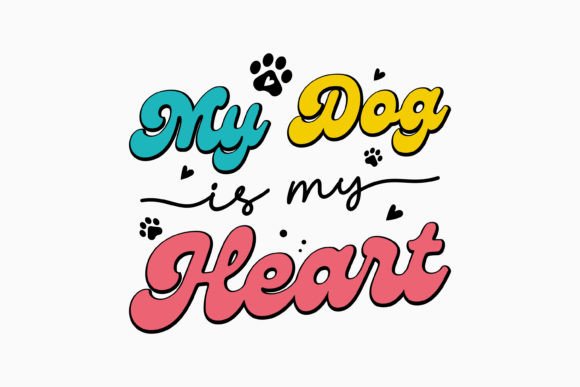
As a professional designer who spends more time behind an embroidery hoop than a computer screen, I approach every new digital asset with a healthy dose of skepticism. When evaluating the My Dog is My Heart Retro Dog Svg, my first thought wasn't about how cute it looks on a monitor, but how it will behave under the needle. This design falls squarely into the intersection of Crafts and Graphics, serving as a versatile digital embroidery file that promises nostalgia and warmth. However, translating a retro vector graphic into a tangible, stitched reality requires understanding the relationship between clean lines and fabric texture.
The initial impression of this design is undeniably charming. It captures that specific mid-century aesthetic that has seen a massive resurgence in handmade markets. The layout feels balanced, suggesting it was created with intention rather than just assembled from clip art. For an Etsy seller or small shop owner, this visual personality is crucial. Customers aren't just buying a dog motif; they are buying a feeling of vintage comfort. As a machine embroidery design, the retro style typically relies on bold shapes and limited color palettes, which is excellent news for stitch clarity. Intricate, hyper-realistic designs often get lost on textured fabrics, but this graphic’s simplified geometry suggests it will maintain its integrity even on challenging materials like canvas tote bags or fleece sweatshirts.
Real-World Application: Stitching a Custom Tote Bag
To truly judge the viability of the My Dog is My Heart Retro Dog Svg, I mentally walked through a recent client project: a custom embroidered tote bag intended as a personalized gift for a dog rescue volunteer. Tote bags are deceptively difficult because the canvas is thick, yet the weave can be coarse. A design with too much fill stitch density can make the bag stiff and puckered, while one with too little coverage looks cheap.
This design appears optimized for such commercial embroidery applications. The retro aesthetic naturally lends itself to satin stitch borders and open fill stitches, which reduces bulk without sacrificing visual impact. When preparing this for a tote bag, the "easy change color" feature mentioned in the product specs becomes a practical workflow advantage. Instead of spending hours re-digitizing to match a client's specific brand colors or a dog’s actual coat pattern, I can quickly adjust the thread colors in my software. This flexibility is vital for craft business owners who need to turn around custom apparel orders efficiently. The inclusion of source files like EPS and SVG at 300dpi ensures that if I need to resize the design for a smaller pocket patch or a larger apron front, the vectors remain crisp, providing a reliable foundation for digitizing or direct printing mockups.
Navigating Fabric Textures and Hoop Limitations
While the design is versatile, experienced makers know that no single graphic works everywhere. When using this as a sweatshirt embroidery or baby embroidery project, you must consider the substrate. Retro graphics often feature solid blocks of color. On high-pile fabrics like terry cloth or plush blankets, these solid areas can sink into the fibers, causing the design to disappear. In these cases, you may need to add a knockdown stitch layer beneath the design or adapt the artwork to include more negative space.
Conversely, when working with thin, stretchy knits for baby clothes or lightweight tees, stitch density becomes the primary concern. The My Dog is My Heart Retro Dog Svg likely contains defined edges typical of retro art. If these are digitized as dense satin stitches on a delicate fabric, they can cause tearing or distortion. Always test on scrap fabric first. Use a cutaway stabilizer for stretchy garments to support the weight of the thread. For curved surfaces like caps, evaluate the vertical height of the design. Retro quotes often stack text above or below the central image; ensure the total height fits within your cap frame’s safe zone to avoid hitting the brim or losing registration.
Color Strategy and Visual Hierarchy
The product description notes "100 Color Changeable," which is a significant asset for digital product sellers and apparel decorators. However, having 100 options doesn't mean you should use them all. In embroidery, every color change adds time and potential alignment risks. The strength of this retro design lies in its restraint. I recommend limiting your palette to three or four contrasting thread colors to maintain that authentic vintage vibe. High contrast is essential for readability, especially on dark fabrics where black outlines might vanish. Test your color combinations in black and white mockups before stitching; if the values read clearly in grayscale, they will pop in thread.
For those creating printable mockups to sell finished products online, the 300dpi SVG/EPS files allow for high-quality digital previews. This bridges the gap between digital assets and physical goods, helping customers visualize the final handmade product before purchasing. Whether you are listing a holiday embroidery ornament or a boutique-branded apron, consistent presentation builds buyer trust and recognition.
Technical Due Diligence for Professional Results
Before loading this design into your machine or listing it in your shop, perform these critical checks to ensure professional quality:
- Verify Licensing: Confirm whether your purchase includes commercial rights for selling finished physical items versus digital files. This distinction is critical for Etsy sellers and small business owners.
- Check File Compatibility: While EPS and SVG are included, ensure your specific embroidery machine or digitizing software imports these vectors correctly for stitching. You may need to convert them to a native embroidery format (like DST or PES) depending on your equipment.
- Assess Small Details: Zoom in to inspect tiny lettering or decorative accents. If elements are smaller than 4mm, they may require simplification or conversion to running stitch to prevent thread breaks and bird nesting.
- Stabilizer Selection: Match your stabilizer to the fabric weight. A tear-away might suffice for stable canvas, but woven fusible mesh is superior for preventing puckering on knit custom apparel.
- Wash Testing: If producing items for frequent washing like kitchen towels or baby bibs, stitch a sample and launder it. Retro fill stitches can sometimes pull away from the fabric edge after repeated cycles if not properly secured.
Elevating Handmade Value Through Design Choice
Ultimately, the My Dog is My Heart Retro Dog Svg succeeds because it taps into an emotional niche while offering technical flexibility. For the creative entrepreneur, it serves as more than just a pretty picture; it is a functional tool for creating value. When executed correctly, with attention to stabilizer, tension, and color theory, this design transforms generic blanks into cherished personalized gifts. The retro theme implies a sense of permanence and love that resonates deeply with pet owners, making it a strong candidate for wedding gifts, memorial items, and everyday wear.
Remember that your reputation as a maker rests on the finish quality of your work. A beautiful vector file is only the starting point. By treating this graphic with the same respect you would give a complex applique design or intricate monogram, you ensure that the final embroidered patch, pillow cover, or shirt honors both the art and the recipient. Take the time to understand the design's structure, respect the limitations of your materials, and let the nostalgic charm of the artwork shine through your craftsmanship. This thoughtful approach is what separates mass-produced merchandise from true artisan quality in the competitive world of handmade crafts.